

Fall fertilizer for Northwest Indiana lawns is not just an end-of-season treatment. It is one of the most important parts of a full-season lawn care program, especially after a difficult spring and summer filled with heavy rain, humidity, lawn disease pressure, heat stress, drought stress, and thinning turf.
For many homeowners across Lake County, Porter County, LaPorte County, and surrounding Northwest Indiana communities, this season was hard on lawns. Some lawns dealt with dollar spot, brown patch, red thread, necrotic ring spot, or other fungal diseases. Others struggled with compacted soil, shallow roots, heat stress, dry edges near concrete, or drought stress after long wet stretches.
By fall, the lawn may still be recovering.
That is why Perma-Green treats fall as a critical recovery window. Fall fertilizer helps the lawn rebuild strength, support root growth, store nutrients before winter, and prepare for healthier growth when the ground thaws in spring.
Fall Is Not the End of Lawn Care. It Is the Start of Recovery.

It is easy to think of fall lawn care as the final step before winter. But for cool-season lawns in Northwest Indiana, fall is one of the most important times of the entire year.
After summer stress, the lawn needs to rebuild its root system and restore the nutrients it used while fighting disease, heat, drought, weeds, and pests.
A lawn that enters winter mild, thin, or underfed may struggle to come back strong in spring. A lawn that receives the right fall treatments has a better chance to recover, survive dormancy, and respond when spring growth begins.
That is why fall fertilizer is often considered the MVP treatment of a complete lawn care program.
Fall Fertilizer NWI – Why This Matters After a Rough Spring and Summer

Northwest Indiana lawns faced a difficult mix of conditions this season:
- Heavy rain and extended wet periods
- High humidity
- Dollar spot and brown patch pressure
- Red thread and other fungal disease concerns
- Heat stress after wet weather
- Drought stress in fast-draining soils
- Compacted soil in older neighborhoods
- Thin turf where disease or stress weakened the lawn
- Hot edge stress near driveways, curbs, sidewalks, and streets
These problems can drain a lawn’s energy.
Instead of building strong roots and storing nutrients, the grass spends much of the season trying to survive. By fall, many lawns are still recovering.
That is why fall fertilizer matters so much. It helps put the lawn back into a stronger position before winter.
For more on what happened this season, read Perma-Green’s guide:
Lawn Disease Alert: A County-by-County Northwest Indiana Guide
Fall Fertilizer #1: Helping the Lawn Rebuild Roots
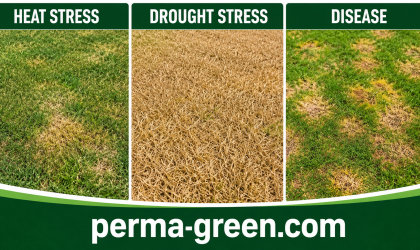
Fall Treatments are critical to recovery- especially this year!
The first fall fertilizer treatment helps support root growth after the stress of summer. This is very significant after a summer like the one we just survived!
This matters because strong roots are the foundation of a healthier lawn. When roots are weak, the lawn has a harder time handling drought, disease, weeds, pests, and temperature swings.
In fall, cooler temperatures give the lawn a better chance to focus on root development. A properly timed fertilizer application helps support that recovery process.
This is especially important for lawns that were thinned by fungus, heat stress, drought stress, or heavy summer stress.
Why Winterizer Is the Second Half of the MVP Treatment
Winterizer is the second fall treatment, and it is one of the most important applications in the full-season program.
Winterizer helps the lawn store nutrients before the ground freezes. Those stored nutrients support the plant through winter dormancy and help the lawn respond when the ground thaws in spring.
That is why Winterizer works beyond fall.
It helps with:
- Nutrient storage before winter
- Stronger spring green-up
- Root support going into dormancy
- Recovery after summer stress
- Better preparation for the next growing season
When applied at the right time, Winterizer helps the lawn enter winter stronger and wake up better prepared for spring.
Why Both Fall Treatments Work Better Together

Fall fertilizer and Winterizer are two different treatments with connected jobs.
The first fall fertilizer helps the lawn rebuild and strengthen the root system.
The second fall treatment, Winterizer, feeds the lawn and stores nutrients before winter.
Together, they help the lawn recover now and prepare for what comes next.
That is why skipping fall treatments can be a mistake, especially after a difficult season. A lawn that struggled with disease, drought, heat, or compaction may need fall support more than ever.
Recovery Depends on What Damaged the Lawn

Everything is better with a team… including Fall Treatments!
Not every lawn needs the exact same plan.
A lawn damaged by dollar spot may need a different approach than a lawn struggling with brown patch. A lawn in compacted clay soil may need aeration. A lawn in sandier soil may need a different watering strategy. A lawn with hot edge stress near concrete may not have lawn disease at all.
Correct diagnosis matters.
Use these Perma-Green resources to better understand what may have affected your lawn this season:
- Lawn Disease Symptoms: How to Tell If It’s Fungus, Heat, or Something Else
- 4 Types of Lawn Fungus in Northwest Indiana
- Dollar Spot Lawn Disease: Symptoms and the Fertilizer Connection
- Brown Patch Lawn Disease: Symptoms and What Causes It
- Red Thread Lawn Disease: Identification and Causes
- Necrotic Ring Spot: Symptoms and How It Differs from Brown Patch
Once you know what damaged the lawn, the next step is building the right fall recovery plan.
Read more here:
Northwest Indiana Lawn Recovery Starts This Fall
Why Local Soil Matters in Northwest Indiana
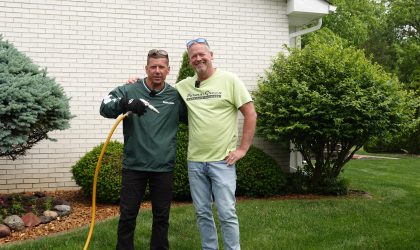
Northwest Indiana lawns are not all the same.
Porter County lawns, including many in Valparaiso and Chesterton, often deal with clay-heavy soil. Clay can hold moisture during wet stretches, increasing fungal pressure, then harden during heat and dry weather.
Lake County lawns, especially in older neighborhoods around Crown Point, Hobart, Merrillville, Highland, Munster, Dyer, Schererville, and St. John, often deal with soil compaction and heavy-use stress. These lawns may need core aeration as part of a fall recovery plan.
LaPorte County and DeMotte-area lawns can include sandier soils that dry out faster, even after wet weather. These lawns may need different watering and recovery strategies than clay-heavy lawns.
That is why Perma-Green does not treat every lawn with a generic national program. Local soil, drainage, lawn history, and seasonal stress all matter.
Nutrient Availability: Applying fertilizer in the fall ensures that nutrients, especially nitrogen, are available for plants as they resume growth in the spring.
Root Development: Fall applications promote root growth during the cooler months, allowing plants to establish a strong root system before winter.
Soil Health: Nutrients can improve soil structure and health, enhancing microbial activity and overall soil fertility.
Fall Weed & Feed Control: Fertilizing in the fall can help outcompete weeds by promoting vigorous plant growth.
Weather Conditions: Cooler temperatures reduce the risk of nutrient leaching and volatilization, making fall applications more effective.
Fall lawn treatment sets the stage for healthier plants and better yields in the following growing season.
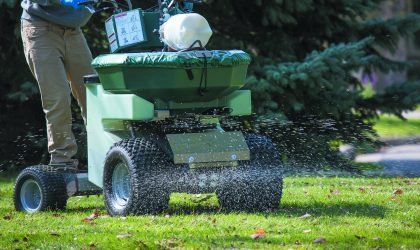
Fall Recovery May Include More Than Fertilizer
Fall fertilizer is critical, but some lawns need additional recovery support.
Depending on the lawn, Perma-Green may recommend:
- Core aeration to relieve compacted soil
- Overseeding to help fill thin areas
- Weed control to reduce pressure in weakened turf
- Grub control or pest protection when needed
- Lawn disease evaluation
- A full-season lawn care program instead of a one-time fix
A stressed lawn usually does not recover from one quick treatment. The right plan depends on what caused the problem and what the lawn needs before winter.
Think of Fall as the First Step Toward Next Spring
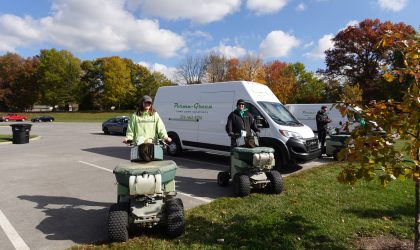
Fall treatments do more than finish the current season.
They help set up next year.
When the ground thaws in spring, the lawn depends on the strength and stored nutrients built before winter. That is why fall fertilizer and Winterizer are so important.
A healthier spring lawn often starts with what happens in fall.
Start Your Fall Recovery With a Perma-Green Lawn Evaluation
If your lawn is thin, patchy, discolored, or still showing signs of summer stress, do not wait until spring to address it.
Perma-Green’s local technicians understand Northwest Indiana lawns, soil differences, disease pressure, and seasonal timing. They can evaluate whether your lawn is dealing with disease damage, drought stress, heat stress, compaction, nutrient loss, or a combination of problems.
Schedule a free lawn evaluation here:
You can also learn more about Perma-Green’s Fall Fertilizer Northwest Indiana lawn care programs here:
The Bottom Line | Fall Fertilizer Northwest Indiana
Fall fertilizer is the MVP treatment of a full-season lawn care program. It helps Northwest Indiana lawns recover from summer stress, strengthen roots before winter, store nutrients for dormancy, and prepare for healthier growth when the ground thaws in spring.
Winterizer is the second half of that fall recovery strategy, helping the lawn enter winter stronger and respond better when spring returns.
After a season of heavy rain, humidity, lawn disease pressure, heat stress, drought stress, and thinning turf, fall treatments are critical. If your lawn struggled this year, now is the time to get it evaluated and start the recovery plan.

Steve Daly and Perma-Green are Certified through the Office of the Indiana State Chemist
Written by Jim Jano Janesheski
USEFUL LINKS:
Fall Fertilizer Northwest Indiana | Stats for Nerds!

Have you ever wondered what the fertilizer numbers mean? It seems a little over my head, but I figured that as long as we had access to Steve Daly, why not ask?
“Just about all bags of fertilizer have three numbers on the front. Each represents one of the primary ingredients within the fertilizer”.
“These ingredients stand for nitrogen (N), phosphorous (P), and potassium (K). In general, lawn fertilizer formulas typically have formulas such as 28-0-6. This means that the fertilizer has 28 percent nitrogen, 0 percent phosphorous, and 6 percent potassium. Phosphorous is usually readily available in Northwest Indiana soils and only needed when establishing new seed. Understanding how many pounds of each ingredient is in your bag and the rate you want to apply it at is the key, not the percentage. The goal is 2-2 1/2 pounds of Nitrogen per thousand square feet in the late fall. Both fall and winterizer fertilizers stimulate root growth and plant storage. However, each contains its own unique mix of potassium, phosphorous, and nitrogen”.